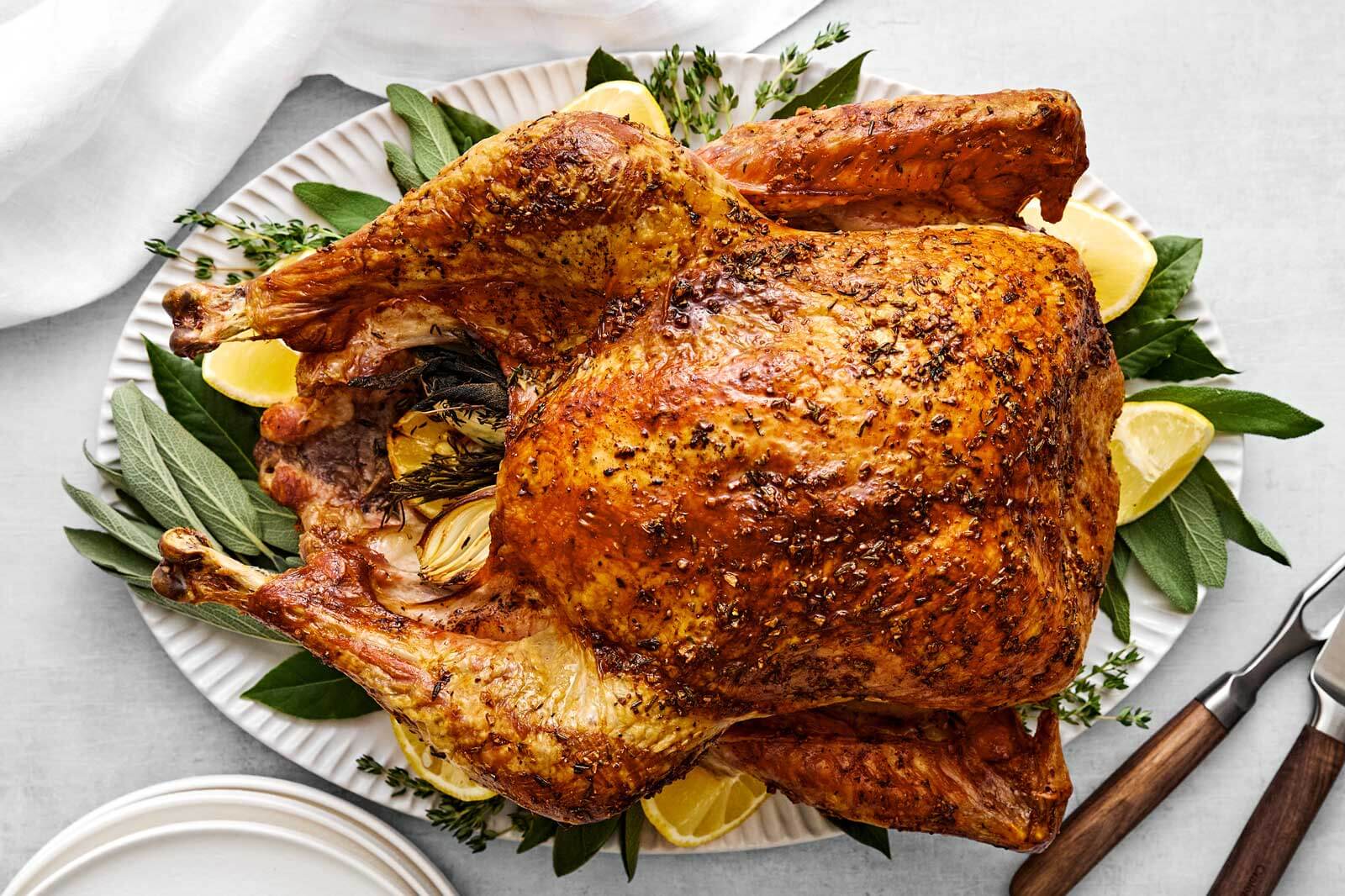
Easy Thanksgiving Turkey: Achieve a Perfect, Juicy Centerpiece
The Thanksgiving turkey stands as the undisputed star of the holiday table. It's the grand centerpiece, the dish everyone anticipates, and frankly, the one that can cause the most anxiety for home cooks. The thought of dry meat, uneven cooking, or a lack of flavor is enough to make anyone reconsider hosting. But what if we told you that preparing a perfectly juicy, golden, and incredibly flavorful
thanksgiving turkey recipe doesn't have to be an overwhelming task? It’s entirely achievable, even for those who might feel daunted by the prospect of roasting such a magnificent bird.
Forget the stress and envision a Thanksgiving where your turkey emerges from the oven moist, tender, and bursting with irresistible flavor. We’re here to guide you through a straightforward, yet incredibly effective, approach to your holiday roast. From selecting the right bird to mastering essential cooking techniques, you’ll discover that creating a memorable
thanksgiving turkey recipe can be an enjoyable and rewarding part of your holiday celebration.
Planning Your Perfect Thanksgiving Turkey Recipe
Success in the kitchen often begins long before the oven is even preheated. For your
thanksgiving turkey recipe, meticulous planning is your secret weapon, ensuring a smooth and stress-free cooking experience.
Choosing the Right Bird
First, consider your guest list. A good rule of thumb is to allow 1 to 1.5 pounds of turkey per person. This accounts for the bone weight and provides ample leftovers, which are arguably just as delicious as the main meal! You'll also need to decide between a fresh or frozen turkey. Fresh turkeys offer convenience as they require no thawing, but they typically need to be purchased closer to Thanksgiving. Frozen turkeys are more widely available and can be bought weeks in advance, but they demand a significant amount of thawing time.
The Crucial Thawing Process
If you opt for a frozen turkey, the thawing process is non-negotiable and requires careful planning. The safest and most recommended method is to thaw it in the refrigerator. Allow approximately 24 hours for every 5 pounds of turkey. So, a 15-pound bird will need roughly three full days in the fridge to thaw completely. Resist the urge to rush this step, as improper thawing can affect both food safety and the final texture of your turkey. For a deeper dive into preparing your bird from start to finish, refer to
Your Ultimate Thanksgiving Turkey Guide: From Thaw to Carve.
Essential Prep and Tools
Before roasting, ensure your turkey is properly prepped. Remove it from its packaging, take out the giblets and neck from both cavities (these can be used for gravy!), and pat the entire bird thoroughly dry with paper towels. A dry skin is key to achieving that coveted crispy, golden-brown finish. Equip yourself with a sturdy roasting pan with a rack, which allows air to circulate around the turkey for even cooking, and, most importantly, an instant-read meat thermometer. This simple tool is the absolute best way to guarantee a perfectly cooked, safe, and juicy turkey every time.
The Art of a Juicy & Flavorful Thanksgiving Turkey
The true magic of an exceptional
thanksgiving turkey recipe lies in its ability to deliver both incredible flavor and an irresistibly moist texture. This isn't just about roasting; it's about employing techniques that imbue the meat with succulence from the inside out.
Techniques for Maximum Moisture and Taste
Many chefs swear by brining, which involves soaking the turkey in a salty liquid (wet brine) or rubbing it with a salt-based mixture (dry brine) before cooking. Brining helps the turkey retain moisture, resulting in a significantly juicier bird. Alternatively, a good herb rub or a sweet glaze can add incredible depth of flavor and contribute to a beautiful, caramelized skin. The choice often depends on the desired flavor profile you're aiming for.
Aromatics: The Inner Flavor Boost
One of the easiest ways to enhance the flavor of your roast turkey is by stuffing its cavity with aromatics. While we don't recommend stuffing the cavity with bread-based stuffing for food safety and even cooking, filling it with robust ingredients like quartered oranges, lemons, onions, garlic cloves, and fresh herbs (rosemary, sage, thyme, parsley) works wonders. As the turkey roasts, these aromatics release their essential oils and juices, infusing the meat with a delicate, savory fragrance. This internal seasoning method is a simple yet powerful step towards a truly flavorful bird.
Basting and Flavorful Liquids
For an incredibly moist and tender turkey, basting and strategic use of flavorful liquids are invaluable. While some debate the efficacy of basting, a liquid-rich approach ensures moisture is continuously added. Consider pouring a mixture of champagne and chicken broth (a beloved secret from some top-rated recipes) over the turkey before and during roasting. This champagne broth works its magic, keeping the meat incredibly moist and tender while adding a subtle, sophisticated flavor. Another fantastic technique involves basting with pan juices mixed with honey, as championed by some culinary experts, which creates a sweet-and-smoky flavor profile and prevents drying out. These liquids create a steaming environment, gently cooking the turkey and preventing it from drying out. To uncover more expert methods for a truly succulent bird, check out
Secrets to a Moist & Flavorful Thanksgiving Turkey Revealed.
Roasting Your Easy Thanksgiving Turkey Recipe to Perfection
Now for the moment of truth: roasting. While it may seem like the most challenging part, with the right guidance, achieving that golden-brown skin and perfectly cooked interior is entirely within reach.
Oven Temperature and Timing Guidelines
A common and highly effective oven temperature for roasting a
thanksgiving turkey recipe is 350°F (175°C). At this temperature, an unstuffed turkey typically cooks for about 13 to 15 minutes per pound. For instance, a 15-pound unstuffed turkey should be fully cooked within approximately 3.5 hours. However, these are general guidelines, and various factors—like whether your turkey is stuffed, its initial temperature, and your oven's calibration—can influence the actual cooking time. Always prioritize internal temperature over timing charts.
The Unbeatable Meat Thermometer
This is arguably the most critical piece of advice: **always rely on an instant-read meat thermometer to determine doneness.** Visually inspecting your turkey or relying solely on cooking time can lead to either an undercooked (and unsafe) bird or an overcooked (and dry) one. Insert the thermometer into the thickest part of the thigh, near the bone, without touching the bone itself. The target temperature for food safety is 165°F (74°C). While the breast meat may reach this temperature sooner, many prefer to cook the thigh to a slightly higher temperature, around 175-180°F (79-82°C), for optimal tenderness, ensuring the juices run clear. To prevent the breast from drying out while the thighs finish cooking, you can loosely tent the breast with foil.
The Importance of Resting
Once your turkey reaches the correct internal temperature, resist the urge to carve it immediately. This crucial step is often overlooked but is paramount for a juicy bird. Transfer the cooked turkey to a carving board and loosely tent it with aluminum foil. Allow it to rest for at least 20-30 minutes (for larger birds, up to 45 minutes). During this resting period, the juices that have migrated to the center of the bird during cooking redistribute throughout the meat. Carving too soon will result in those precious juices running all over your cutting board instead of remaining in the turkey, leaving you with drier slices.
The Grand Finale: Carving and Serving with Confidence
After all your careful preparation and perfect roasting, the final step is to carve and present your magnificent
thanksgiving turkey recipe. With the turkey rested, the meat will be tender and easy to slice. While carving can seem daunting, a sharp knife and a steady hand are your best friends. Presenting your turkey beautifully, whether carved and arranged on a platter or brought whole to the table before carving, adds to the celebratory atmosphere.
Conclusion
Cooking the perfect, juicy Thanksgiving turkey doesn't have to be a source of stress. By focusing on smart planning, utilizing techniques that lock in moisture and flavor, and relying on a meat thermometer for accurate doneness, you can achieve a truly show-stopping centerpiece for your holiday meal. This year, embrace the process, trust in these tips, and prepare to delight your guests with a tender, flavorful, and incredibly easy
thanksgiving turkey recipe. Enjoy your well-deserved feast!