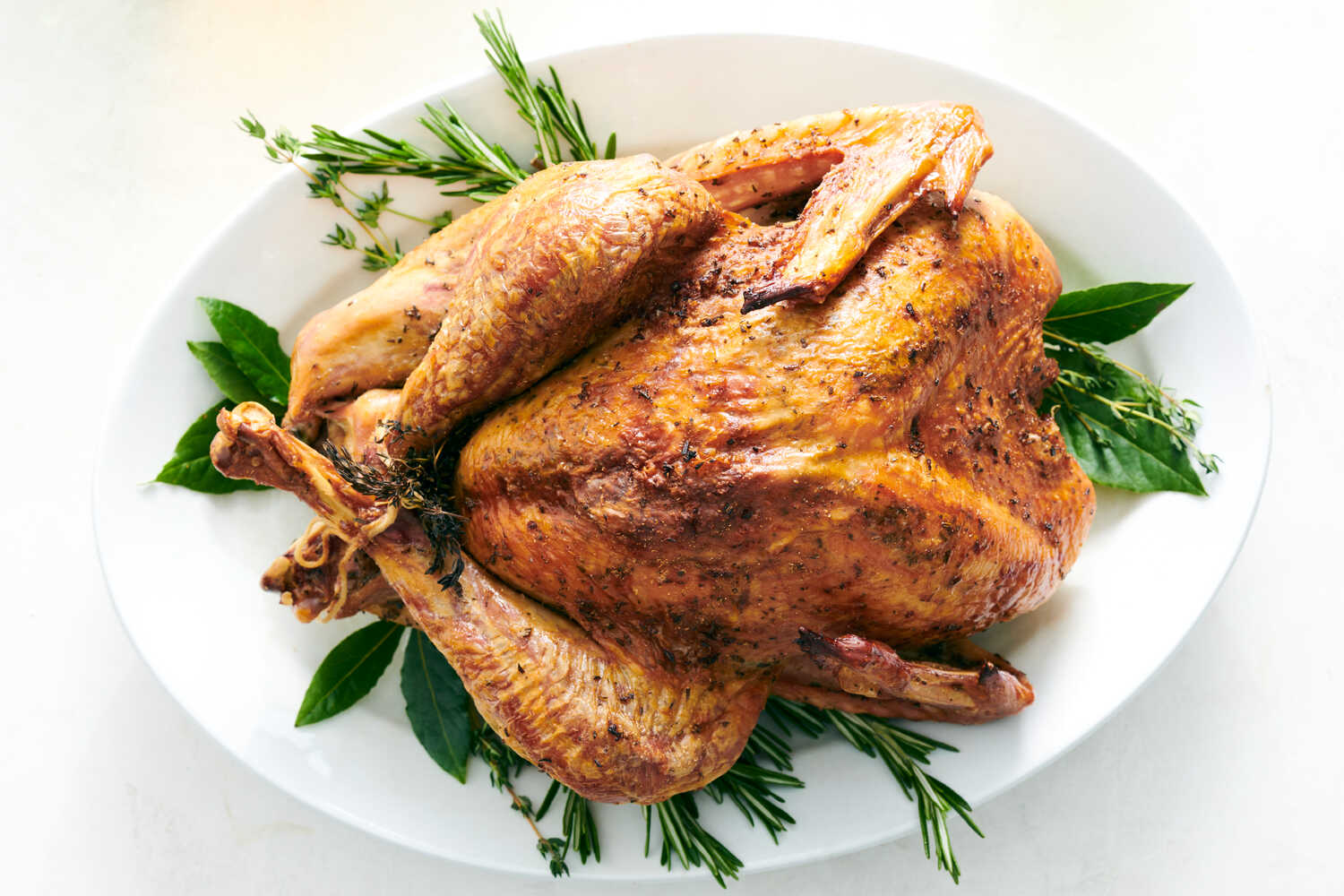
Your Ultimate Thanksgiving Turkey Guide: From Thaw to Carve
The Thanksgiving turkey stands as the undisputed star of the holiday feast, a golden-brown centerpiece that beckons family and friends to gather around the table. Yet, for many home cooks, the thought of preparing this grand bird can feel daunting. Visions of dry meat, uneven cooking, or under-seasoned poultry might dance in your head, threatening to overshadow the festive spirit. Fear not! Crafting a succulent, show-stopping thanksgiving turkey recipe is entirely within your reach. This comprehensive guide will walk you through every critical step, from selecting and thawing your bird to perfecting its roast and presenting it beautifully, ensuring your Thanksgiving meal is a resounding success.
From the moment you choose your turkey to the final elegant carve, each stage plays a vital role in achieving that sought-after juicy, flavorful result. We'll demystify the process, sharing expert tips, time-tested techniques, and actionable advice to transform what might seem like an overwhelming task into a genuinely enjoyable culinary experience. Prepare to impress your guests with a bird so perfect, they'll be asking for your secrets for years to come.
Selecting Your Star: Size, Type, and Quality
Before you even think about oven temperatures, the journey to a perfect thanksgiving turkey recipe begins with choosing the right bird. Considerations include size, type, and quality:
- Size Matters: A good rule of thumb is to plan for about 1.5 pounds of turkey per person to ensure generous servings and leftovers. For instance, a 10-person gathering would ideally call for a 15-pound turkey. If you love leftovers, lean towards 2 pounds per person.
- Fresh vs. Frozen: Fresh turkeys offer convenience as they don't require thawing, but they usually come at a higher price and have a shorter shelf life. Frozen turkeys are more widely available and budget-friendly, but demand significant thawing time.
- Types of Turkey: Beyond standard broad-breasted white turkeys, you might encounter organic, free-range, or heritage breeds. Organic and free-range birds often have a richer flavor due to their diet and lifestyle, while heritage turkeys boast a more pronounced, gamey taste and firmer texture, reminiscent of older turkey varieties.
- Quality Indicators: Look for a plump bird with unblemished skin. If buying frozen, ensure the packaging is intact and there's no visible freezer burn.
From Frozen to Fabulous: Thawing Your Thanksgiving Turkey
Improper thawing is one of the most common pitfalls in turkey preparation. It's crucial for both food safety and even cooking. The safest and most recommended method for thawing your frozen bird is in the refrigerator.
- Refrigerator Thawing: This method is slow and steady, preventing bacteria from growing. Plan for approximately 24 hours of thawing time for every 5 pounds of turkey. So, a 15-pound turkey will need about three full days (72 hours) in the refrigerator. A 20-pound bird will require four days. Place the turkey, still in its original wrapper, on a tray or in a pan to catch any drips and prevent cross-contamination.
- Cold Water Thawing (Faster Alternative): If you're pressed for time, cold water thawing is an option, but it requires more attention. Submerge the wrapped turkey in a sink or large container filled with cold tap water, changing the water every 30 minutes to keep it cold. Allow about 30 minutes per pound. A 15-pound turkey would take approximately 7.5 hours. Crucially, the turkey must be cooked immediately after thawing by this method.
- Never Thaw on the Counter: Thawing a turkey at room temperature creates a prime breeding ground for harmful bacteria on the exterior while the interior remains frozen. Always prioritize food safety!
Prepping Your Bird: Seasoning, Brining, and Beyond
Once your turkey is fully thawed, it's time to infuse it with flavor and ensure a moist roast. This is where your personal thanksgiving turkey recipe truly begins to take shape.
- Internal Flavor Boost: Don't just season the outside! A time-honored technique involves stuffing the turkey cavity with aromatics like halved oranges or lemons, quartered onions, garlic cloves, and a generous handful of fresh herbs (rosemary, thyme, sage, parsley). This not only adds incredible flavor from the inside out but also contributes to a wonderfully fragrant aroma in your kitchen.
- The Art of Brining: Brining, either wet or dry, is a game-changer for moisture and flavor.
- Wet Brine: Submerging your turkey in a solution of water, salt, sugar, and various aromatics (like peppercorns, bay leaves, or citrus peels) for several hours or overnight allows the meat to absorb moisture and seasoning, resulting in an exceptionally juicy and flavorful bird.
- Dry Brine: A simpler alternative, dry brining involves rubbing the turkey's exterior (and under the skin) with a mixture of salt and seasonings. The salt draws out moisture, then reabsorbs it, concentrating the turkey's natural flavors and tenderizing the meat. This method also promotes crispy skin. For more in-depth techniques, explore Secrets to a Moist & Flavorful Thanksgiving Turkey Revealed.
- Rubs and Glazes: Before roasting, consider a flavorful rub applied to the turkey's skin. Ingredients like dried parsley, rosemary, sage, thyme, lemon-pepper seasoning, and salt create a classic profile. For a unique twist, some chefs use a sweet-and-smoky glaze, perhaps a mixture of pan juices and honey, to baste the turkey during cooking, adding layers of flavor and a beautiful sheen. You can also rub a compound butter (butter mixed with herbs and garlic) under the skin of the breast for added moisture and taste.
Roasting to Perfection: Timing, Temperature, and Techniques
The roasting process is where the magic truly happens, transforming your prepped bird into a golden masterpiece. While specific times can vary, general guidelines and smart techniques will guide you.
- Oven Temperature: A common and effective temperature for roasting an unstuffed turkey is 350°F (175°C). This allows the turkey to cook through evenly without drying out too quickly.
- Cooking Time: For an unstuffed turkey, plan for roughly 13 to 15 minutes per pound. A 15-pound turkey, therefore, would typically take about 3.5 hours to cook. Remember, these are estimates; the true indicator of doneness is internal temperature. For a simpler approach to timing, check out Easy Thanksgiving Turkey: Achieve a Perfect, Juicy Centerpiece.
- Basting: While traditional basting every 30 minutes can help with browning, many modern cooks find it unnecessary and sometimes counterproductive, as it requires opening the oven repeatedly, dropping the internal temperature. A good brine or careful use of compound butter under the skin often makes basting optional. However, if using a champagne or chicken broth (as one beloved family recipe suggests) poured over the turkey before roasting, this serves a similar purpose, keeping the meat incredibly moist and adding flavor.
- Spatchcocking: For a faster, more evenly cooked turkey with crispier skin, consider spatchcocking (removing the backbone and flattening the bird). This technique significantly reduces cooking time and ensures that both white and dark meat cook uniformly.
The Grand Finale: Checking Doneness and Carving Your Masterpiece
The moment of truth arrives when your turkey emerges from the oven, glistening and golden. Knowing precisely when it's done and how to carve it expertly are the final steps to Thanksgiving glory.
- Checking for Doneness: This is non-negotiable for food safety. An instant-read thermometer is your best friend. Insert it into the thickest part of the thigh, near the bone, without touching the bone. The USDA recommends a minimum internal temperature of 165°F (74°C) in the thigh, breast, and wing. Many cooks prefer to pull the turkey when the thigh reaches 175-180°F (80-82°C) for optimal texture in dark meat, knowing the breast will also be safely cooked.
- The Importance of Resting: Once cooked, immediately transfer the turkey to a carving board and tent it loosely with foil. Let it rest for at least 20-30 minutes (or even up to an hour for larger birds). This crucial step allows the juices to redistribute throughout the meat, ensuring a moist and tender result. Skipping this will lead to dry meat as the juices will run out when you carve.
- Carving Step-by-Step:
- Using a sharp carving knife, remove the legs and thighs by cutting through the joint where they meet the body. Separate the drumsticks from the thighs.
- Slice the breast meat: Locate the breastbone and make a long cut down one side, following the curve of the bone. Then slice horizontally to remove the entire breast half, or carve slices directly off the bird. Repeat on the other side.
- Slice the breast meat against the grain into desired thickness.
- Arrange the carved meat beautifully on a platter, often with sprigs of fresh herbs for garnish.
Cooking the perfect thanksgiving turkey recipe doesn't have to be an intimidating ordeal. By focusing on smart preparation, precise cooking, and a bit of patience, you can achieve a truly unforgettable centerpiece that will delight everyone at your holiday table. From the initial thawing to the final, impressive carve, each step contributes to a succulent, flavorful bird that embodies the warmth and generosity of Thanksgiving. So embrace the process, trust in these tips, and get ready to enjoy the most delicious turkey you've ever made!
