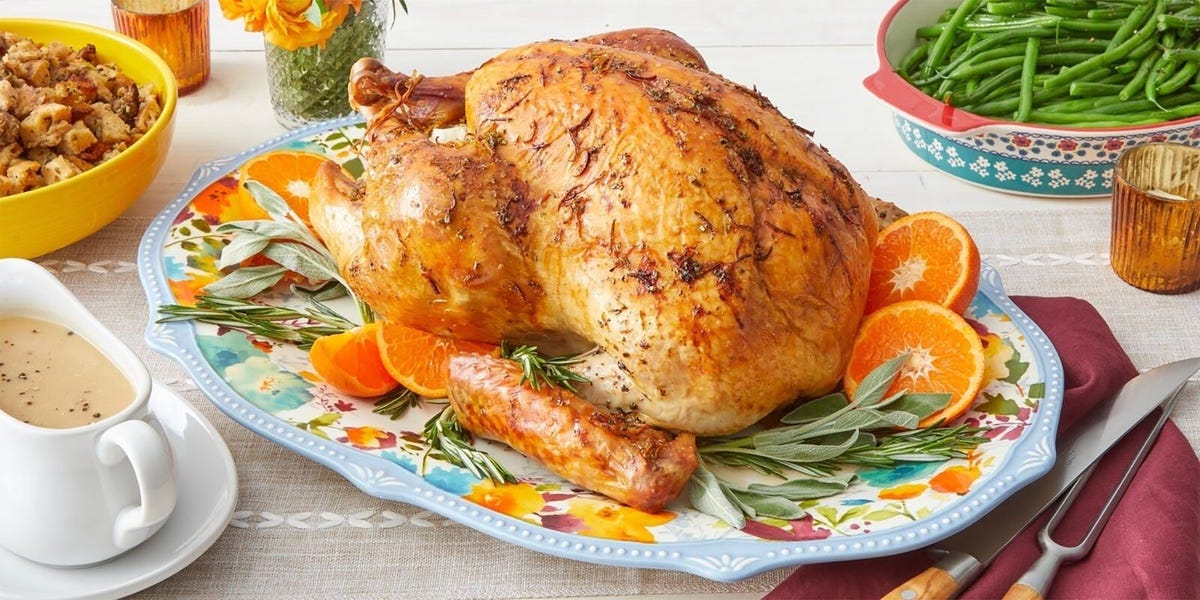
Secrets to a Moist & Flavorful Thanksgiving Turkey Revealed
The Thanksgiving turkey stands as the undisputed star of the holiday feast, a majestic centerpiece that garners anticipation and, let's be honest, a fair bit of culinary pressure. The thought of cooking a dry, bland bird is enough to make any host's head spin. But fear not! Achieving a perfectly moist, golden, and incredibly flavorful Thanksgiving turkey is not an overwhelming task reserved for professional chefs. It’s an attainable goal for every home cook, and we're here to reveal the secrets and provide a comprehensive
thanksgiving turkey recipe guide to ensure your bird is nothing short of spectacular. Forget the days of dry meat and lackluster flavor; with the right approach, your holiday bird will be the talk of the table for all the right reasons.
The Journey Begins: Choosing and Preparing Your Thanksgiving Turkey
The foundation of a magnificent Thanksgiving turkey starts long before it ever touches the oven. Strategic choices and careful preparation are paramount.
Selecting the Perfect Bird
First, consider your guest list. A good rule of thumb is to calculate about 1.5 pounds of turkey per person, allowing for generous servings and coveted leftovers. For instance, a 15-pound turkey will comfortably feed 10 people. You'll also need to decide between a fresh or frozen turkey. Fresh turkeys offer convenience as they don't require thawing, but they typically have a shorter shelf life and might be harder to find, especially closer to the holiday. Frozen turkeys are widely available and can be purchased well in advance, but they demand a significant thawing period.
The Crucial Thawing Process
If you opt for a frozen turkey, safe and proper thawing is non-negotiable. The safest method is in the refrigerator. Allow approximately 24 hours of thawing time for every 5 pounds of meat. So, a 15-pound turkey will need a full three days to thaw completely in the fridge. Place the turkey in a pan or on a tray to catch any drips and prevent cross-contamination. Rushing this process can lead to uneven thawing and potential food safety issues. For more detailed insights on this vital step and other essential preparations, consult our comprehensive resource:
Your Ultimate Thanksgiving Turkey Guide: From Thaw to Carve.
Initial Preparation for Optimal Results
Once thawed, remove the giblets and neck from the turkey cavities. Pat the entire turkey dry, inside and out, with paper towels. A dry surface is critical for achieving that coveted crispy, golden-brown skin. Any excess moisture will steam the skin instead of allowing it to crisp.
Unlocking Unbeatable Moisture: Essential Techniques for a Juicy Thanksgiving Turkey
The biggest fear associated with cooking a turkey is often dryness. Fortunately, several proven techniques can guarantee a tender, succulent bird.
The Transformative Power of Brining
Brining is arguably the most effective way to ensure a juicy Thanksgiving turkey. It involves soaking the turkey in a salt solution (wet brine) or rubbing it generously with a salt-based mixture (dry brine) before cooking.
* **Wet Brining:** Submerging the turkey in a solution of water, salt, sugar, and aromatics for several hours or overnight. The salt breaks down muscle proteins, allowing the turkey to absorb and retain more moisture during cooking.
* **Dry Brining:** Rubbing the turkey with a salt and spice mixture and letting it rest uncovered in the refrigerator. The salt draws out the turkey's natural juices, then reabsorbs them, seasoned and concentrated, creating a super-flavorful, moist bird with incredibly crispy skin.
Both methods work wonders, fundamentally altering the meat's texture and moisture retention. Brining is a game-changer for anyone aiming for a truly juicy turkey. For more strategies to prevent dryness, explore our article:
Easy Thanksgiving Turkey: Achieve a Perfect, Juicy Centerpiece.
Basting for Brilliance
While often debated, basting can contribute to a beautifully browned and flavorful skin. Instead of plain butter or broth, consider using a mixture of pan juices, herbs, and a touch of sweetness like honey or maple syrup. This not only keeps the skin from drying out but also infuses it with a sweet-and-smoky flavor profile, as demonstrated by Molly's grilled bird, which boasts a honey-basted exterior.
Secret Liquid Infusions
Many beloved
thanksgiving turkey recipe traditions incorporate liquids directly into the roasting process to maintain moisture. One family secret involves pouring a combination of champagne and chicken broth over the turkey before and during roasting. This creates a steamy, aromatic environment within the oven, continuously moistening the bird and infusing it with subtle, irresistible flavors. The gentle bubbling liquid works its magic, ensuring every bite is tender and succulent.
Spatchcocking for Evenness and Speed
For those looking for an alternative roasting method, spatchcocking (removing the backbone and flattening the bird) is a revelation. This technique allows the turkey to cook more evenly and significantly faster, preventing the breast from drying out while the legs catch up. It also promotes incredibly crispy skin all over, as the entire surface is exposed to direct heat.
Crafting Deep, Delicious Flavors
Beyond moisture, flavor is paramount. A truly memorable Thanksgiving turkey is seasoned from the inside out, offering a symphony of tastes with every bite.
Inside-Out Seasoning
Don't just season the exterior. Stuff the turkey cavity with an herbaceous mixture. A classic blend includes dried parsley, rosemary, sage, and thyme, combined with lemon-pepper seasoning and salt. These aromatics release their essential oils and flavors into the turkey from within, permeating the meat as it cooks.
Aromatics Galore
Enhance the flavor profile further by placing orange wedges, halved onions, garlic cloves, and additional herbs like bay leaves and thyme sprigs not only in the cavity but also in the roasting pan around and even under the turkey. As these ingredients roast, they release fragrant vapors and juices that permeate the turkey and create an incredible base for gravy.
Glorious Glazes & Rubs
* **Rubs:** A good dry rub, applied generously under and over the skin, adds a layer of complex flavor. Experiment with spices like smoked paprika, garlic powder, onion powder, and a touch of brown sugar for caramelization.
* **Glazes:** Applied towards the end of the cooking process, glazes create a beautiful, glossy finish and lock in an extra layer of flavor. Options range from sweet (maple-Dijon, cranberry-orange) to savory (herb-butter, balsamic). The sugars in glazes caramelize, adding depth and a rich, golden hue to the skin.
The Art of Roasting: Timing, Temperature, and Trusting Your Thermometer
Precision in roasting is key to ensuring your turkey is perfectly cooked – neither underdone nor overcooked and dry.
Oven Temperature and Cooking Time
A common and effective temperature for roasting an unstuffed Thanksgiving turkey is 350 degrees F (175 degrees C). For an unstuffed turkey, plan for about 13 to 15 minutes per pound. Therefore, a 15-pound unstuffed turkey should be fully cooked within approximately 3.5 hours. Keep in mind that ovens can vary, and environmental factors might influence cooking times, so these are guidelines, not rigid rules.
The Internal Temperature Rule: Your Best Friend
An instant-read thermometer is your most reliable tool for gauging doneness. Insert the thermometer into the thickest part of the thigh, near the bone, without touching the bone itself. The internal temperature should read at least 180 degrees F (80 degrees C) for safety and optimal tenderness. Don't rely solely on pop-up timers, as they can be inaccurate.
The Critical Rest
Once your turkey reaches the correct internal temperature, resist the urge to carve it immediately. Resting the turkey is a crucial step that allows the juices to redistribute throughout the meat, resulting in a significantly more tender and moist bird. Tent the turkey loosely with foil and let it rest for at least 20-30 minutes (or even up to an hour for larger birds). During this time, the internal temperature may even rise slightly, continuing to cook the turkey gently. Carving too soon will cause all those precious juices to run out onto your cutting board, leaving you with dry meat.
Conclusion
Cooking the perfect Thanksgiving turkey doesn't have to be a daunting challenge. By understanding the core principles of selection, preparation, moisture retention, flavor infusion, and precise roasting, you can transform a potentially overwhelming task into a joyful culinary triumph. From the initial thaw to the final, delicious carving, these secrets and techniques provide a roadmap to a truly moist, flavorful, and unforgettable bird. Embrace these tips and confidently create a stunning centerpiece that will gather your loved ones around the table, eager to savor every tender, juicy bite of your masterful
thanksgiving turkey recipe. Happy Thanksgiving, and happy cooking!